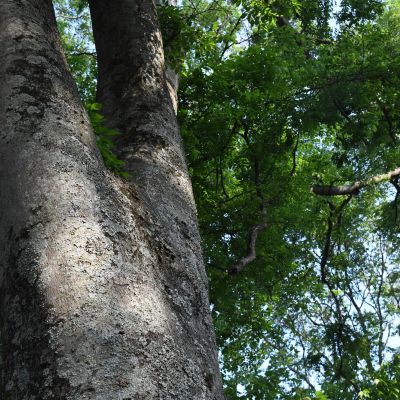
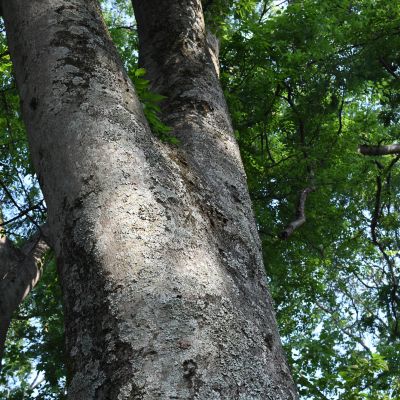
Hackberry

 Hackberry
 Hackberry

Common Names

  • Common Hackberry
  • Nettletree
  • Sugarberry
  • Beaverwood
  • Northern Hackberry
  • American Hackberry

Scientific Names

  • Celtis occidentalis
  • Cannabaceae (hemp) family
Basic Landscape Attributes
Height Range: 
Fall Colors: 
Width Range: 
Flower Type: 
Shape: 
Hackberry

History of
the Tree Species

  • Native to North America
  • First cultivated in 1636
  • Early on, its flexible wood was used for barrel hoops and flooring

Basic Growing Conditions

  • Full sun
  • Grows well in acidic, alkaline, loamy, moist, rich, sandy, well-drained, wet, and clay soils
  • Tolerates both flooding and drought
Hackberry
Hackberry

Scientific Facts

  • Highly durable, long-lived tree that provides significant shade without too much maintenance
  • Pea-sized berries are edible and rich in nutrients
  • Omaha Native Americans ate berries
  • Dakota Native Americans used them to flavor meet
  • Pawnee pounded berries and mixed them with parched corn
  • Parts of trees used for medicine, crafting, and firewood
  • Houma used bark to make a decoction for sore throats, and a compound decoction mixed with powdered shells for venereal disease
  • Iroquois took decoctions to regulate menses

Location on tree on Shelby Ave: